
How SDS Produced a Conservation Documentary That Reached 3 Million People Across 13 States
A case study in using video production and public awareness strategy to change minds about hunting and wildlife conservation.
When the Southeast Deer Partnership and National Deer Association needed to reach urban audiences who had never considered the role of hunting in wildlife conservation, they turned to Strategic Digital Services. The challenge was significant: educate a largely urbanized, non-hunting population across 13 states about the importance of white-tailed deer hunting to conservation, all on a $300,000 budget.
What problem were we trying to solve?
America's white-tailed deer population rebounded from near extinction in 1900 to over 30 million animals today. That recovery is one of the greatest conservation success stories in American history, but it has never been effectively communicated to non-hunters.
Without public understanding and support, modern conservation practices face an uncertain future. Declining support from non-hunting populations could erode the North American model of wildlife management, which relies on hunter participation and licensing revenue to fund conservation programs across the country.
This is a common challenge for conservation organizations and wildlife management agencies: how do you communicate the value of hunting to audiences who have no personal connection to it?
What Does a Multi-State Public Awareness Campaign Look Like?
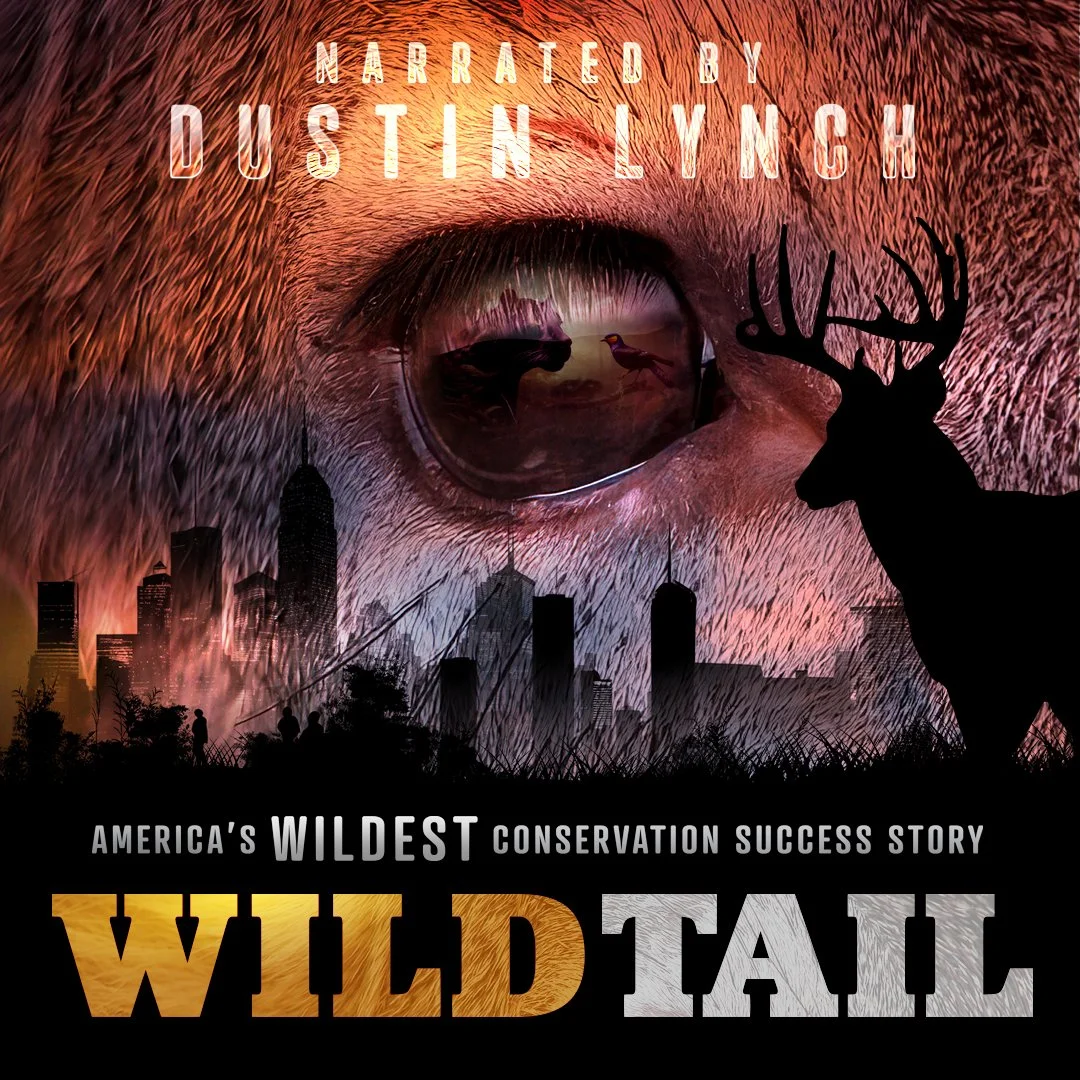
SDS was selected to lead the full production and campaign strategy. The approach centered on a full-length documentary film, Wild Tail: America's Wildest Conservation Success Story, designed specifically to reach and persuade non-hunter audiences.
Key elements of the campaign strategy included:
Documentary film production narrated by country music star Dustin Lynch, chosen deliberately to bridge the cultural gap between hunting communities and broader mainstream audiences unfamiliar with conservation issues.
An 8-stop film tour premiere that generated grassroots awareness and media coverage before the film's wider digital release.
Multi-platform digital distribution across iTunes, Amazon, and Google Play, making the film accessible to the broadest possible audience beyond traditional hunting and outdoor media channels.
A partner toolkit of promotional materials developed for each of the 13 partner states, giving regional organizations the resources to run their own localized public education efforts using consistent messaging.
How Do You Measure the Success of a Conservation Awareness Campaign?
Results for the Wild Tail campaign demonstrated what's possible when video content strategy is aligned with a clear public education goal:
The documentary reached #30 on iTunes top documentary charts following launch
The film has accrued nearly 8,000 purchases across platforms
The associated public education campaign and partner toolkit generated nearly 3 million impressions
Evergreen content from the campaign continues to run, producing ongoing value well after paid media efforts concluded
What Can Government Agencies and Nonprofits Learn from This Campaign?
This project offers a replicable model for any government agency, nonprofit, or conservation organization asking: how do we change public perception on a complex or politically sensitive topic?
Several lessons apply broadly:
Evergreen video content outperforms short-term paid media. A well-produced documentary or educational video continues generating impressions and influencing audiences long after a campaign's paid media budget is exhausted. The Wild Tail campaign is still reaching new viewers years after launch.
Messenger matters as much as message. Choosing Dustin Lynch as narrator was a strategic decision, not just a production choice. Reaching non-hunters requires voices and formats that feel native to non-hunting audiences.
Partner toolkits multiply reach at low marginal cost. Rather than running a single centralized campaign, SDS developed state-level toolkits that empowered 13 regional partners to amplify the message independently. This is an effective model for any multi-state or multi-agency public awareness effort.
Sensitive topics require audience-first framing. The film wasn't made for hunters, it was made about hunters, for everyone else. That reframe is the core of what made the campaign work.